

What Is the Ideal Blood Pressure for Passing a DOT Physical?
The ideal blood pressure for passing a DOT physical typically falls below 140/90 mm Hg, which is considered normal for most adults. However, if your blood pressure exceeds this threshold, it may affect your eligibility for a Department of Transportation (DOT) certification. At Fresno Medical Center, Dr Gurmej Dhillon, MD, provides thorough evaluations and guidance on managing blood pressure to help you meet the DOT physical requirements. If you have high blood pressure, our team can discuss treatment options and lifestyle changes to help you maintain a healthy reading. Contact us now or schedule an appointment online! We are conveniently located at 6069 N First St # 103, Fresno, CA 93710.
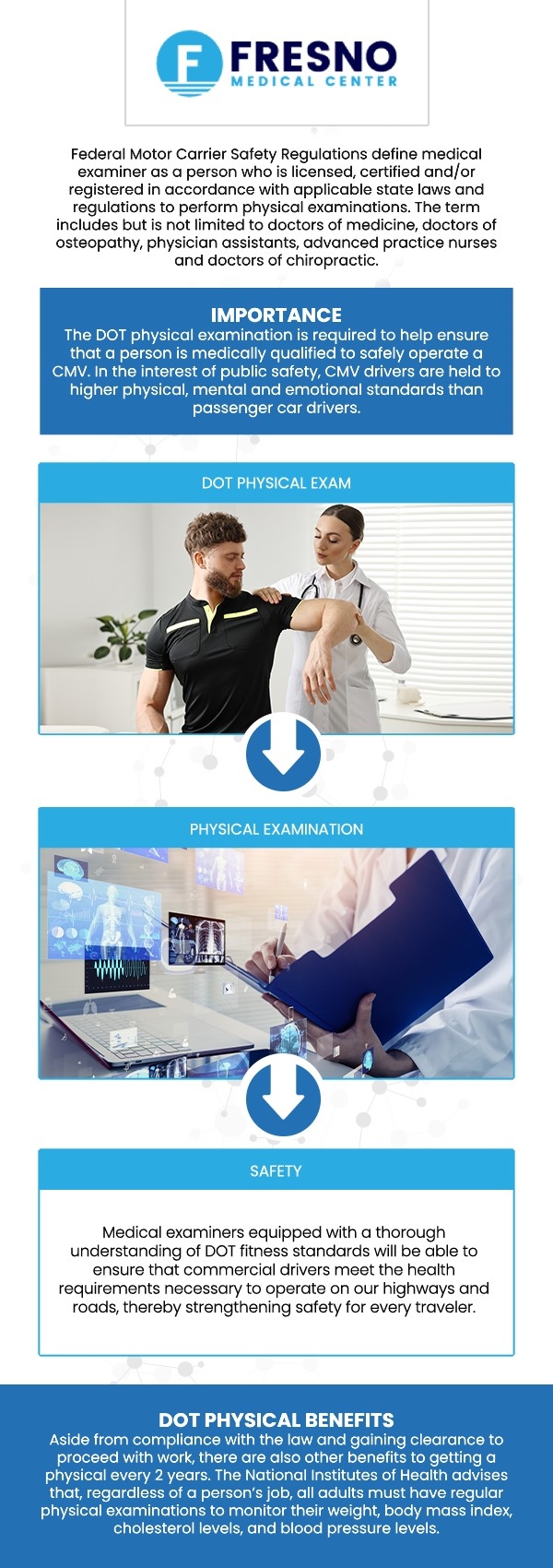
Table of Contents:
What is the blood pressure to pass a DOT test?
What blood pressure is too high to pass a physical?
How to get blood pressure down to pass a DOT physical?
How does blood pressure affect your ability to pass a DOT physical?
What Does Dr Gurmej Dhillon, MD at Fresno Medical Center, Recommend as the Ideal Blood Pressure for Passing a DOT Physical?
At Fresno Medical Center, we understand how important it is for commercial drivers to maintain their Department of Transportation (DOT) certification. One key part of the DOT physical exam is your blood pressure reading, as required by the Federal Motor Carrier Safety Administration (FMCSA).
Blood Pressure Guidelines for DOT Physicals:
• Normal Blood Pressure: If your blood pressure is below 140/90 mmHg, it typically indicates good health and qualifies you for long-term certification, often for two years.
• Elevated Blood Pressure: Readings between 140/90 mmHg and 159/99 mmHg may still allow for certification, typically valid for one year. A healthcare provider may discuss lifestyle changes or medications to help manage your blood pressure.
• High Blood Pressure: If your blood pressure falls between 160/100 mmHg and 179/109 mmHg, you may be granted three months to lower your blood pressure. Medical support and follow-up treatment are recommended during this time.
• Very High Blood Pressure: Readings of 180/110 mmHg or higher will likely disqualify you from passing certain health requirements until your blood pressure is properly managed through medical treatment.
These standards are in place to protect your health and the safety of everyone on the road. If you are currently taking medication to control your blood pressure, you can still pass your DOT physical at Fresno Medical Center, as long as your readings are within the acceptable range. Our experienced medical professionals are here to guide you through the DOT physical process, offer advice on blood pressure management, and help you stay certified and healthy.
At Fresno Medical Center, we understand how important it is for our patients to meet the necessary health requirements for work, school, or personal wellness. When it comes to blood pressure, our team follows evidence-based guidelines to ensure your safety and well-being during physical examinations.
What Blood Pressure is Considered Too High for a Physical
The standards are based on widely recognized health recommendations. Normal blood pressure is defined as less than 120/80 mmHg. Stage 1 hypertension is diagnosed when systolic blood pressure is between 130-139 mmHg, or diastolic pressure is between 80-89 mmHg. Stage 2 hypertension is identified when systolic pressure is 140 mmHg or higher, or diastolic pressure is 90 mmHg or higher.
For most general physicals, a blood pressure reading consistently above 140/90 mmHg may be considered too high and could affect the outcome of the examination. This is especially relevant for physicals required for certain jobs, such as commercial driver’s licenses (CDL), Department of Transportation (DOT) exams, law enforcement, military service, or competitive athletics, where specific safety guidelines are in place.
If your blood pressure reading at Fresno Medical Center is higher than the acceptable limit for your specific physical examination, our healthcare providers may:
• Take multiple readings during your visit to account for temporary factors (like stress or caffeine).
• Allow yourself time to rest before rechecking your blood pressure.
• Advise you to follow up with your primary care provider if high blood pressure persists.
• Offer guidance and resources for managing high blood pressure to help you meet your health goals and requirements.
Controlling high blood pressure is important not just for passing physicals at Fresno Medical Center, but also for your long-term health. Proper management reduces your risk of heart disease, stroke, kidney damage, and other serious complications.
If you have an upcoming Department of Transportation (DOT) physical scheduled at Fresno Medical Center and are concerned about your blood pressure, we are here to help you prepare for a successful exam. Our team wants you to feel confident and ready, so here are a few steps you can take to help keep your blood pressure in a healthy range before your appointment:
• Reduce Sodium Intake: In the days leading up to your DOT physical at Fresno Medical Center, try to limit salty foods, processed snacks, and canned soups. This can help prevent temporary increases in your blood pressure.
• Stay Hydrated: Drinking plenty of water before your appointment helps support healthy blood pressure levels.
• Exercise Smartly: Gentle activities like walking can help lower blood pressure, but avoid vigorous exercise right before your exam, as it may temporarily raise your numbers.
• Limit Caffeine, Tobacco, and Alcohol: For at least 24 hours before your physical at our center, avoid caffeine, tobacco products, and alcohol. These substances can all cause blood pressure to spike.
• Get Rest and Arrive Early: Try to get a full night’s sleep before your DOT exam. On the day of your visit to Fresno Medical Center, arrive a little early to give yourself time to relax. Sitting quietly for a few minutes before your blood pressure is checked can make a difference.
• Practice Relaxation Techniques: Deep breathing or mindfulness exercises can help calm your nerves and may lower your blood pressure temporarily.
If you are taking medication for high blood pressure, be sure to take it as prescribed and bring your medication list with you to your appointment. Don’t skip doses before your exam. If you have a history of high blood pressure, consider consulting with one of our healthcare providers beforehand to discuss strategies for long-term management.
At Fresno Medical Center, we are committed to your health and safety—both on and off the road. Making lifestyle changes, such as maintaining a healthy weight, eating a balanced diet rich in fruits and vegetables, regular exercise, and managing stress, can help control your blood pressure over time. Remember, passing your DOT physical is not just about meeting requirements, but about supporting your overall well-being.
At Fresno Medical Center, your health and safety are our top priorities—especially when it comes to keeping commercial drivers on the road. If you’re preparing for your Department of Transportation (DOT) physical, understanding the role of blood pressure in the certification process is essential.
Why Blood Pressure Matters for Your DOT Exam
Blood pressure is a key health indicator assessed during your DOT physical. The Federal Motor Carrier Safety Administration (FMCSA) requires that all commercial drivers meet specific blood pressure standards to ensure they are medically fit to operate large vehicles safely. High blood pressure increases your risk of heart disease, stroke, and sudden medical emergencies that could affect your ability to drive.
FMCSA Blood Pressure Guidelines
• Less than 140/90 mmHg: You may be certified for a full two-year period.
• 140/90 to 159/99 mmHg: You may be certified for one year and will need to monitor and control your blood pressure.
• 160/100 to 179/109 mmHg: You could receive a temporary certification for three months, and you must lower your blood pressure before re-examination.
• 180/110 mmHg or higher: You will not pass the DOT physical until your blood pressure is under control.
Our experienced medical team at Fresno Medical Center is well-versed in FMCSA guidelines and DOT certification requirements. If you have a history of high blood pressure, we recommend bringing documentation of your condition and any medications to your exam. This helps us make an informed decision about your certification and can streamline the process for you. If your blood pressure is elevated at your DOT physical, we will work with you to develop a personalized plan so you can meet the requirements and maintain your livelihood.
Dr. Gurmej Dhillon, MD, at Fresno Medical Center, recommends that for most patients seeking to pass a DOT physical, the ideal blood pressure should be below 140/90 mmHg. This is generally considered normal blood pressure and is in line with the American Heart Association’s guidelines for healthy blood pressure. Maintaining a healthy blood pressure not only helps with passing the DOT physical but also plays a key role in overall cardiovascular health. If your blood pressure falls within this range, you’re more likely to meet the requirements for certification.
For individuals with slightly elevated blood pressure or those who experience hypertension, Dr. Dhillon emphasizes the importance of regular monitoring and lifestyle changes to help manage and lower blood pressure. If your blood pressure exceeds 140/90 mmHg, Dr. Dhillon may recommend a treatment plan that could include medication, dietary adjustments, or exercise recommendations to help you achieve the target range for your DOT physical. At Fresno Medical Center, we provide comprehensive care and guidance to ensure that each patient meets the required health standards for their physical exams.
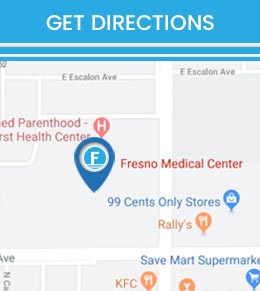
Contact us now or schedule an appointment online! We are conveniently located at 6069 N First St # 103, Fresno, CA 93710. We serve patients from Fresno CA, Clovis CA, West Park CA, Mayfair CA, Muscatel CA, Burness CA, Lone Star CA and surrounding areas.

Check Out Our 5 Star Reviews


ADDITIONAL SERVICES YOU MAY LIKE
❱ Employment Physical Exams
❱ DMV or DOT Physical Exams
❱ Immigration Physical
❱ Sports and School Physical Exams
❱ Comprehensive Physical Exams
❱ Physical Exams
❱ Surgical Procedure Service
❱ Functional Medicine
❱ Medical Weight Loss




 Send Text
 How May I Help You?